Palatal expanders
Fixed expansion devices may be considered for selected transverse upper-jaw problems, such as a narrow upper arch or crossbite.
Chobham, Surrey & Harley Street, London
Orthodontics, dentofacial orthopaedics and restorative dentistry,
planned around the whole person.
Children · Teenagers · Adults
Dental problems rarely exist in isolation. Crowded teeth may be connected to jaw development. Tooth wear may be linked to the bite, grinding or sleep. A fractured tooth may need more than a simple repair.
Dr Modi’s approach begins by understanding the wider picture — teeth, bite, jaws, face and oral function together. Where relevant, she also asks about breathing, sleep and chewing patterns.
The aim is to understand why a problem has developed, explain the available choices clearly and create a plan that supports comfort, function, appearance and long-term health.
Dr Modi works within a multidisciplinary team that includes ENT surgeons, myofunctional therapists, sleep physicians, GPs, speech and language pathologists, osteopaths and other allied professionals — so that concerns extending beyond dentistry can be assessed by the appropriate clinician.
"A deep data dive into your health — before a single treatment decision is made."
The approach
Every consultation begins with listening — to the concern, the history and the wider context. Treatment is never chosen before the picture is clear.
Orthodontics and dentofacial orthopaedics at the right stage of development.
↓Orthodontic and restorative care planned together for a stable, natural result.
↓Assessment and management of bruxism, tooth wear, snoring and sleep-related concerns.
↓Explore common concerns about children's breathing, sleep, oral function and jaw development, with clear guidance and evidence-based further reading.
↓
The most visible tooth is not always the most important part of the problem. A children's assessment considers jaw relationships, arch width, facial symmetry, oral habits, tongue posture and relevant breathing or sleep concerns.
The aim is not to find treatment for every child — it is to understand how they are developing and determine whether care is needed now, later or not at all.
Book a child's consultationDr Modi sees children from the age of four. A first orthodontic assessment is recommended by around age seven, even when everything appears to be progressing normally. This early review establishes a clear picture of dental and facial development, identifies opportunities to guide growth and determines the most appropriate timing for care.
Understand jaw and dental development, breathing patterns and oral function early. Where concerns arise, Dr Modi collaborates with ENT specialists and allied colleagues to investigate possible contributing factors and support healthy development. The priority is to establish the foundations for healthy growth and function, with targeted intervention when indicated.
Consider whether an orthodontic or dentofacial orthopaedic intervention could help a specific developing problem while growth remains. Timing varies by child and condition.
As permanent teeth erupt, focus may shift to alignment, bite coordination and managing remaining jaw growth.
Tooth alignment and bite correction remain possible, but major skeletal growth modification is generally more limited after maturity.
Orthodontic and dentofacial orthopaedic appliances serve distinct clinical purposes, from guiding developing jaw relationships to aligning teeth and refining the bite. Dr Modi selects the approach according to the child’s diagnosis, developmental stage and treatment objectives. The illustrations provide a simplified overview.
Fixed expansion devices may be considered for selected transverse upper-jaw problems, such as a narrow upper arch or crossbite.
Used for certain limited tooth movements or selected early bite problems; effectiveness depends on the indication and cooperation.
May help manage some developing jaw relationships, particularly Class II problems, during an appropriate growth phase.
Sometimes considered for selected growing children with Class III jaw relationships, following careful diagnosis.
Precisely align teeth and coordinate the bite, commonly during adolescence but also used at other ages.
Removable tooth-alignment systems for suitable cases; treatment suitability depends on the bite, age and clinical needs.
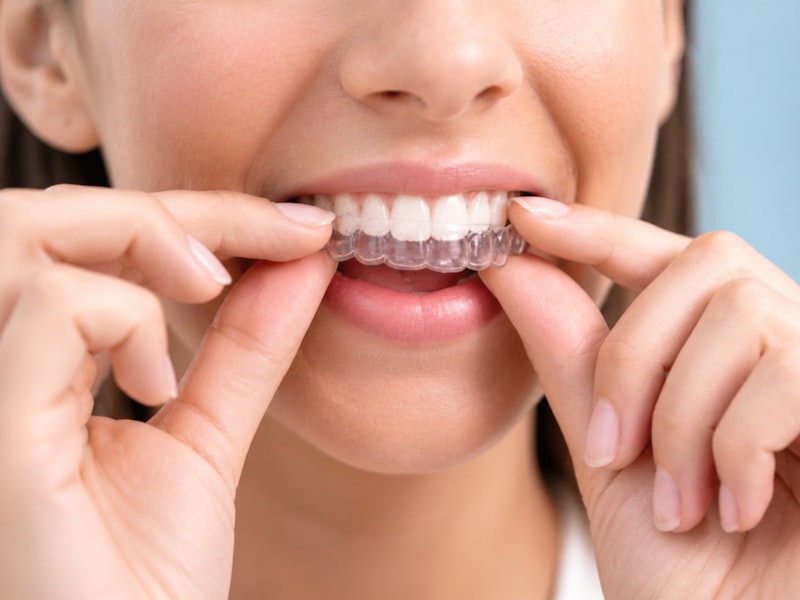
Adult dental concerns rarely exist in isolation. Crowded teeth, an uncomfortable bite, worn or fractured teeth and missing teeth can all influence one another. Treating only the most visible concern may not provide the most stable result.

Grinding, clenching, tooth wear and snoring are often symptoms of something wider. Understanding the cause — rather than simply covering the teeth — leads to more meaningful and lasting care.
Where sleep or breathing may be a contributing factor, assessment is coordinated with the appropriate medical teams including GPs, ENT surgeons and sleep physicians.
A practical, symptom-led library for parents. Choose a concern below to explore what it may mean, when an assessment is useful and the research or clinical guidance behind the advice.
It means assessing the relationship between dental and jaw development, oral function, breathing and sleep — and acting on findings that warrant further investigation. Dr Modi recognises clinical signs that may indicate an airway or sleep concern and works with ENT surgeons, paediatric sleep clinicians and allied colleagues to arrange the appropriate medical assessment and coordinated care.
Airway health is shared territory across these disciplines. Orthodontic treatment addresses defined dental and jaw-development needs; it is not an established standalone treatment for airway disorders. Dr Modi’s treatment planning also prioritises functional outcomes, including chewing, swallowing, tongue function and bite coordination, alongside tooth alignment.
Start with what you have noticed. Each topic explains possible causes, when to seek help and where to find further evidence. These are educational resources, not diagnostic checklists.
Is it normal for a child to snore?
Occasional snoring with a cold is common; regular snoring, gasping, witnessed pauses, restless sleep or unusual sleeping positions deserve discussion with a GP. Snoring does not automatically mean sleep apnoea. A medical assessment, sometimes including a sleep study, may be indicated.
Why does my child breathe through their mouth?
Persistent mouth breathing can reflect nasal congestion, allergy, enlarged adenoids or other causes. An open-mouth posture is a sign to explore, not a diagnosis. If the nose is obstructed, seek medical assessment rather than attempting to force mouth closure or use mouth taping.
Can breathing patterns affect facial growth?
Jaw shape and facial development reflect genetics, growth and environmental influences. Studies report associations between mouth breathing, certain craniofacial patterns and sleep-disordered breathing, but facial appearance cannot diagnose OSA and does not prove a single cause. Assessment looks at growth, bite and function together.
Could sleep be contributing to concentration or behaviour difficulties?
Poor sleep and sleep-disordered breathing may contribute to inattention, hyperactivity, irritability and learning difficulties. ADHD is a genuine neurodevelopmental condition and may coexist with a sleep disorder. Sleep history is one part of a comprehensive assessment, not a substitute for ADHD assessment or treatment.
Should my child have an orthodontic assessment before all adult teeth arrive?
Yes: a first orthodontic assessment is generally recommended by age seven, or earlier if there is a concern. The assessment identifies crossbites, prominent incisors, asymmetry, eruption problems and other developmental findings, enabling care to be timed to the child’s growth.
Does tooth grinding or tongue-tie mean my child has an airway problem?
Dr Modi assesses tooth grinding, tongue mobility, swallowing patterns and oral habits as part of a comprehensive functional examination. These findings help guide dental care and identify when specialist input is appropriate. Tongue-tie treatment is considered on the basis of demonstrated functional need, not as a standalone treatment for paediatric obstructive sleep apnoea.
Can sleep breathing problems show up without obvious snoring?
Some children with disturbed sleep present with daytime tiredness, irritability, night waking or bedwetting. These symptoms have many possible causes, so persistent or concerning patterns warrant a broad assessment by the child’s GP rather than assuming a dental or airway explanation.
What will be checked, and will my child need an appliance?
Dr Modi assesses growth, teeth, bite, facial symmetry, tongue and oral habits, and relevant breathing or sleep concerns. If signs suggest possible medical airway disease, she coordinates with the GP, ENT or paediatric sleep team. The findings determine whether growth monitoring, orthodontic intervention or coordinated specialist assessment is the appropriate next step.

Through professional education and speaking engagements, Dr Modi brings dental development, oral function and sleep-related concerns into a wider clinical conversation — connecting dentistry with ENT, sleep medicine and allied disciplines.


Dr Gunjan Modi is a dentist with a special interest in orthodontics and restorative dentistry. Her approach brings together tooth alignment, jaw development, bite function and long-term dental health.
Rather than viewing each concern in isolation, she considers how the teeth, jaws, muscles and oral habits interact — and how these may influence comfort, function and treatment stability.
She provides personalised care for children, teenagers and adults, combining orthodontic and restorative planning with an airway-conscious, multidisciplinary approach where appropriate.
Appointments are available in Chobham, Surrey and on Harley Street, London. Please mention that you would like to see Dr Gunjan Modi when contacting either practice.
Whether for a child's jaw development, adult orthodontics or coordinated restorative care — you do not need to arrive knowing which treatment you require.
Book a consultation